
Houston Pool Pros
- Thousands of satisfied customers
- Local and family owned
- 15+ years in business
- Licensed and insured
- Always FREE Quotes
Durable, Beautiful Exposed Aggregate Pool Finish in Houston, TX
If your pool surface is stained, rough, outdated, or nearing the end of its plaster life, a new Exposed Aggregate Pool Finish Houston TX installation can transform both the look and performance of your pool. We install pebble, quartz aggregate, and polished aggregate interiors that hold up well in Houston heat, changing water chemistry, and heavy swim seasons.
At Houston Pool Pros, we bring 15+ years of remodeling experience to residential pool replaster and luxury renovations across Greater Houston. We handle chip-out, bond coat, surface prep, crack repair, trowel application, exposure, and start-up with close attention to NPC guidelines. Whether you want a PebbleTec-style finish, StoneScapes mini pebble, Wet Edge, or Hydrazzo polished aggregate, we help you choose the right texture, color, and brand for your goals. Contact us today for a free estimate on your exposed aggregate pool finish.
Why an Exposed Aggregate Finish Gives You Better Looks, Better Durability, and Better Long-Term Value
Most homeowners start looking into pool resurfacing and replastering because the old interior is worn, blotchy, etched, or uncomfortable underfoot. Choosing a professional Exposed Aggregate Pool Finish Houston TX upgrade is a smart way to solve those issues while improving water color, traction, and surface life. When the finish is installed correctly, you get a pool that looks more refined, performs better in Houston conditions, and requires fewer headaches than a basic plaster-only interior.
Safer Swimming and Less Risk Around Your Pool
A deteriorated pool interior can create sharp spots, delamination, hollow areas, and uneven texture on steps, benches, and tanning ledges. We remove failing material, inspect the shell, and prepare the surface correctly so your new finish bonds the way it should. That helps reduce the chance of premature failure and costly damage after resurfacing.
Exposed aggregate and mini pebble surfaces also provide better slip resistance than many smooth, worn plaster interiors, especially on beach entries, shallow steps, and spa spillover areas. For families with kids, frequent guests, or aging parents, that added traction can make everyday use feel more secure.
More Attractive Water Color and a Higher-End Appearance
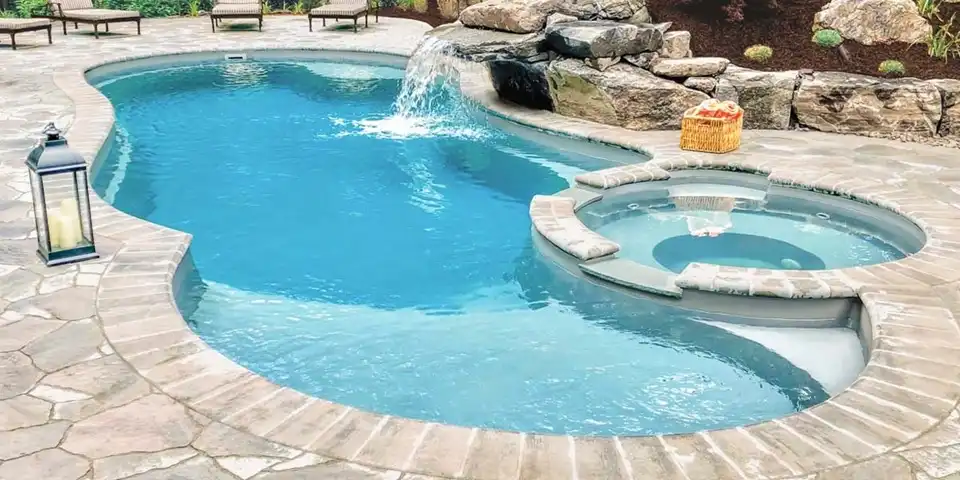
Your pool finish has a major effect on how the water looks. The blend of natural quartz pebble aggregate, river pebble aggregate, pigmented cement blends, and optional glass beads can shift the water from light Caribbean blue to deep lagoon tones. We walk you through color and aggregate selection so the final look fits your yard, sun exposure, coping, and tile.
We also install premium options such as StoneScapes pebble finish, River Rok, quartz aggregate finishes, and polished aggregate surfaces like Hydrazzo or Primera Stone. If you want a custom result, we can coordinate the interior with tile and coping replacement, deck resurfacing, or a full pool remodeling project.
Less Hassle, Faster Progress, and a Smoother Project
Pool resurfacing involves more than applying a new interior. It requires draining, demolition, cleanup, surface prep, crack repair, bond coat application when needed, controlled mixing, troweling, exposure, fill timing, and start-up brushing. We manage that sequence for you so you do not have to guess at chemistry, cure timing, or brand-specific installation steps.
Our crews use professional tools such as pneumatic chipping hammers, plaster mixers, steel trowels, acid-wash sprayers, submersible pumps, and startup pool brushes to keep the process moving efficiently. That means less downtime, clearer communication, and fewer surprises from drain to swim.
Better Value Than Repeating Shorter-Life Surface Fixes
Many pool owners try to delay resurfacing with patching, aggressive acid washing, or cosmetic touch-ups. Those temporary fixes rarely solve underlying wear. A properly installed aggregate pool resurfacing system gives you a more durable surface that can outlast standard marcite in Houston’s demanding climate and hard-water conditions.
It also helps you avoid expensive mistakes like poor exposure, weak bonding, mottling from inconsistent mixes, or start-up damage caused by unbalanced water. When the work is done right the first time, you protect your investment and reduce the odds of early repairs.
Peace of Mind From Qualified Installers and Proven Standards
You should not have to wonder whether your pool contractor follows accepted procedures. We install finishes with attention to National Plasterers Council start-up procedures, ANSI/APSP/PHTA standards for residential inground pools, and safe handling practices for acids and silica-producing materials. We also verify important post-resurfacing details such as drain cover condition where applicable.
With licensed trade partners for pool equipment connections and plumbing tie-ins when required, plus general liability and workers’ comp insurance, you get accountability at every stage. That peace of mind matters when you are investing in a surface you expect to enjoy for years.
How Our Pool Finish Installation Process Works
We make pool resurfacing straightforward. From the first conversation to start-up guidance, our process is built to keep you informed, protect your property, and deliver a clean, lasting finish.
1. On-Site Consultation
We inspect your existing pool interior, note cracks or hollow spots, review waterline tile and coping conditions, and discuss your goals for texture, water color, and budget.
2. Finish Selection and Detailed Estimate
We help you compare exposed pebble, mini pebble plaster, quartz aggregate, and polished aggregate options from brands such as PebbleTec, Wet Edge, StoneScapes, River Rok, and Hydrazzo-style systems.
3. Surface Prep and Application
Our crew drains the pool, performs a full chip-out or bond-coat prep as needed, makes repairs, and applies the new finish using proven troweling and exposure methods.
4. Fill, Start-Up, and Brushing
Once the surface is ready, we begin the fill process and provide start-up instructions based on NPC guidance. We explain brushing, chemistry, and salt-system timing to protect the new interior.
5. Final Review
We walk the project with you, answer questions, and make sure you know how to care for the surface during the first days and weeks after installation.
Why Choose Houston Pool Pros for Exposed Aggregate Pool Finish in Houston
When you hire a company for a new pool interior, you are trusting them with appearance, durability, safety, and long-term value. Houston Pool Pros has served homeowners across Greater Houston for more than 15 years, completing pool remodeling and renovation work built around clear communication and careful workmanship. Our team understands how Houston heat, rain, hard water, and salt systems affect curing, finish selection, and long-term maintenance. That experience helps us recommend the right materials instead of pushing a one-size-fits-all product.
Experienced With Premium Aggregate Brands and Finish Types
Not every pool finish is applied the same way. Mini pebble, polished aggregate, quartz aggregate blends, and glass bead accents each have their own mix behavior, exposure method, and texture profile. We work with the finish categories Houston homeowners ask about most, including pebble pool finish Houston TX options, StoneScapes mini pebble, Wet Edge pool finish systems, River Rok, and smooth polished alternatives.
That matters because the right recommendation depends on how you use your pool. A family wanting a non-slip pool interior finish on steps and ledges may prefer one texture, while a homeowner focused on a smoother surface may lean toward Hydrazzo polished aggregate or Wet Edge Primera Stone. We help you compare real-world tradeoffs, not just color charts.
Proper Prep, Not Shortcut Resurfacing
Long-lasting results start below the finish itself. We evaluate whether your project calls for a full chip-out vs bond-coat only, then complete surface prep and crack repair before any new material is installed. Skipping those steps can lead to bond failure, visible defects, and a shorter service life.
Our crews use pneumatic chipping hammers, grinders, pressure washers, plaster mixers, steel and pool trowels, and controlled exposure methods to create a sound surface and consistent finish. We also use PPE and work practices aligned with OSHA silica dust standard 29 CFR 1926.1153 for safer jobsite conditions.
Standards-Based Start-Up and Water Chemistry Guidance
A beautiful finish can be damaged quickly by poor start-up. We follow accepted practices based on National Plasterers Council start-up procedures and LSI-balanced start-up chemistry so your new surface cures the right way. That includes guidance on brushing schedules, fill timing, and what to avoid during the first days after resurfacing.
Houston pools often deal with high calcium, heat, and variable source water, so chemistry management matters. We explain salt-system start-up delay and stabilization, when to begin using heaters or automation features, and how to reduce scale risk during the cure window.
Licensed Trade Coordination, Insurance, and Safety Focus
Pool remodeling often includes more than interior plaster. If your project involves equipment upgrades, lighting, or plumbing changes, we coordinate with the appropriate licensed professionals, including Texas electrician support for pool equipment connections and Texas plumbing trade partners for plumbing tie-ins where needed.
We maintain general liability and workers’ comp insurance and follow safe handling procedures for acids during exposure and neutralization. We also review pool components affected by resurfacing, including VGBA-compliant drain cover condition, so your project is completed with the right level of care.
Local Knowledge Across Houston Neighborhoods
We work in neighborhoods and communities throughout Houston, from River Oaks, Memorial, West University, Bellaire, and Montrose to Katy, Cypress, Sugar Land, Pearland, League City, The Woodlands, and Clear Lake / NASA. Different yards, trees, drainage patterns, and sun exposure all influence finish selection and the way water color reads once the pool is filled.
That local perspective helps when clients ask questions like whether shaded yards should use lighter pebble matrices, what finish holds up well on saltwater pool finishes, or how a dark blue interior will look in full Houston sun. We give practical guidance based on local project experience, not generic sales talk.
Exposed Aggregate Pool Finish Work Built for Houston Pools and Houston Conditions
We complete Exposed Aggregate Pool Finish Houston TX projects for homeowners across Greater Houston, from older residential replaster jobs to high-end pool remodeling with pebble interior upgrades. Our work is tailored to the pool shell, the owner’s maintenance goals, and the look they want from the water. Whether you are replacing worn marcite, upgrading to mini pebble plaster, or planning a full renovation with tile and coping replacement, we build the scope around long-term performance. We serve clients throughout the Greater Houston service area, including Houston, Bellaire, Katy, Sugar Land, Pearland, Memorial, River Oaks, Cypress, and The Woodlands.
Types of Pool Finish Projects We Handle
Our team works on residential pool replaster projects, pool and attached spa interiors, tanning ledge and steps pebble upgrades, and full luxury custom pool renovations. We also support commercial pool resurfacing and hotel or HOA pool resurfacing where scheduling, safety, and durability are especially important.
Many of our projects combine multiple improvements in one remodel. That can include a new exposed aggregate interior, updated waterline tile, spa resurfacing, deck resurfacing and cool deck work, lighting upgrades, or feature additions such as fountains and sheer descents.
Our Surface Prep and Installation Methods
Good finish work starts with demolition and evaluation. Depending on the condition of the existing interior, we may recommend a full chip-out to the shell or a bond coat application over a sound substrate. From there, we address crack repair, clean the surface thoroughly, and prepare it for the new material.
During application, we use measured mixing practices with plaster mixers, wheelbarrows and mixing paddles, steel trowels, margin trowels, and floats to maintain consistency. We then trowel, water-wash, and expose aggregate with care, followed by a light acid-wash when needed to enhance the final look without over-etching the surface.
Solutions for Challenging Houston Pool Conditions
Houston pools often present issues beyond a worn finish. We regularly address pools with scale buildup, stain history, uneven patching from old repairs, leak detection findings, structural crack repair needs, and surfaces affected by long-term chemical imbalance. These conditions require a different approach than a straightforward replaster.
We also help clients compare options for saltwater systems, shaded backyards, and heavy-use family pools. For example, some homeowners want smoother exposed aggregate options such as polished pebble, while others prioritize durability on benches, entries, and high-traffic swim lanes. We match the finish to the way the pool is actually used.
Results You Can Expect After Resurfacing
A properly installed aggregate interior should give you a cleaner, richer appearance, better traction in key areas, and a surface that stands up well over time with balanced water. Many clients also notice how much the right aggregate blend improves perceived water color, especially when paired with updated tile, coping, and landscape lighting.
We set clear expectations on timeline, fill, and care. Most projects move through drain, prep, application, exposure, fill, and start-up over several days, though weather and scope can affect the schedule. After completion, we provide practical guidance on brushing, chemistry, and maintenance so you can protect the new finish from day one.
Other Services We Offer
- Inground Pool Builder
- Pool Remodeling
- Custom Pool Builder
- Luxury Pool Builder
- High-End Pool Builder
- Gunite Pool Builder
- Concrete Pool Builder
- Pool Installation
- Pool Renovation
- Infinity Pool Builder
- Small Backyard Pools
- Lap Pool Builder
- Plunge Pool Builder
- Cocktail Pool Builder
- Modern Pool Design
- Pool Deck Installation
- Pool Resurfacing
- Pool Replastering
- Pool Tile Replacement
- Pool Coping Replacement
- Pool Deck Resurfacing
- Pool Equipment Upgrade
- Pebble Tec Pools
- Quartz Pool Finish
- Exposed Aggregate Pool Finish
- Travertine Pool Deck
- Paver Pool Deck
- Stamped Concrete Pool Deck
- Pool Water Features
- Pool Waterfalls
- Pool Fountains
- Sheer Descent Waterfalls
- Deck Jets for Pools
- Spillover Spa
- Custom Spa Builder
- Pool & Spa Combo
- Attached Spa
- Pool Automation Systems
- Smart Pool Systems
- LED Pool Lighting
- Saltwater Pool Systems
- Pool Heating Systems
- Pool Chillers
- Pentair Pool Systems
- Luxury Backyard Design
- Resort Style Pools
Locations We Serve
- Houston
- Pasadena
- Pearland
- The Woodlands
- League City
- Sugar Land
- Baytown
- Atascocita
- Conroe
- Missouri City
- Kingwood
- Spring
- Texas City
- Cypress
- Channelview
- Friendswood
- Mission Bend
- Deer Park
- Alvin
- Fresno
- Cloverleaf
- Katy
- Dickinson
- Cinco Ranch
- Stafford
- Bellaire
- Manvel
- La Marque
- Humble
- Pecan Grove
- South Houston
- West University Place
- New Territory
- Seabrook
- Sienna Plantation
- Santa Fe
- Richmond
- Greatwood
- Four Corners
- Tomball
- Webster
- Galena Park
- Jacinto City
- Rosenberg
- La Porte
- Fulshear
- Mont Belvieu
- Harris County
- Fort Bend County
- Montgomery County
- Brazoria County
- Galveston County
- Liberty County
- Waller County
- Chambers County
Frequently Asked Questions
What is an exposed aggregate (pebble) pool finish?
An exposed aggregate pool finish is a pool interior made with cement and visible aggregate such as natural pebbles, quartz, or decorative beads. After application, the surface is exposed through water washing or a controlled acid process so the aggregate becomes the wear layer. Compared with standard plaster, it usually offers better durability, more color depth, and improved traction. In Houston, many homeowners choose it during pool resurfacing because it handles heat, heavy use, and salt systems well when installed and started up properly.
How often should a Houston pool be resurfaced?
The timing depends on the existing material, water balance, and how the pool has been maintained. Basic plaster may need attention sooner, while pebble and quartz aggregate surfaces often last much longer. In Houston, high heat, evaporation, calcium hardness, and long swim seasons can speed up wear if chemistry is not controlled. We usually recommend resurfacing when you see etching, persistent staining, roughness, hollow spots, or visible bond failure rather than waiting for more extensive shell or finish damage.
How long does a pebble finish last in Houston’s climate?
A professionally installed pebble or exposed aggregate finish can last for many years, often noticeably longer than traditional plaster. Actual lifespan depends on prep quality, the brand used, start-up procedures, and ongoing chemistry control. Houston’s climate adds stress through heat, UV exposure, rainfall swings, and calcium-heavy water, so balanced water is critical. We help homeowners protect longevity with correct installation, NPC-aligned start-up guidance, and practical maintenance recommendations for brushing, scaling prevention, and salt-system use.
Does an exposed aggregate surface feel rough on feet?
Texture varies by product. Larger pebble blends feel more textured, while mini pebble, polished aggregate, and Hydrazzo-style finishes are generally smoother underfoot. That said, even textured surfaces can still be comfortable when installed and exposed correctly. If comfort is a priority for children, tanning ledges, or swim steps, we can show you options that balance grip with a softer feel. The right choice depends on how you use the pool and whether you value maximum traction or a smoother surface more.
What is the pool replaster process for an aggregate finish?
Most projects begin by draining the pool and removing loose or failing material through a full chip-out or other approved prep method. We then clean the shell, make repairs, and apply bond coat when needed. After that, the new finish is mixed, troweled, and exposed through water washing and sometimes a light acid treatment. Once the pool is filled, start-up begins with brushing and carefully managed chemistry. Every step matters because shortcuts during prep or start-up can shorten the life of the new interior.
How long does pool resurfacing take from drain to swim?
Most pool resurfacing jobs take several days for demolition, prep, application, and filling, followed by a start-up period before normal swimming use. The exact timeline depends on project size, attached spas, tile or coping work, weather, and the finish selected. In Houston, rain can affect scheduling, and the first days after application are especially important for curing. We give clients a realistic schedule up front and explain when brushing starts, when equipment can run normally, and when the pool is ready for regular use.
Is exposed aggregate a good choice for saltwater systems?
Yes, exposed aggregate is often a strong option for saltwater pools because it tends to offer better durability than basic plaster. The key is proper installation and careful salt start-up. We do not recommend adding salt too early on a fresh surface, and water chemistry needs to stay balanced to reduce the risk of scale and surface damage. For Houston homeowners with salt systems, we review timing, stabilization, and maintenance habits so the finish and chlorination system work well together long term.
Can an existing plaster pool be upgraded to pebble?
Yes, many older plaster pools can be upgraded to a pebble or quartz aggregate finish during remodeling. The main question is the condition of the existing surface and shell underneath. Some pools need a full chip-out, while others may qualify for a different prep approach if the substrate is sound. During our inspection, we look for hollow areas, cracks, delamination, and previous patching. That lets us recommend the right prep method before installing the new interior so the finished result performs as expected.
What maintenance does a pebble finish require over time?
Pebble finishes are durable, but they still need proper care. The most important factors are balanced water, regular brushing when needed, prompt removal of scale or stain buildup, and attention to calcium hardness and pH. Houston pools can accumulate scale faster if water is allowed to drift out of balance, especially in summer. We recommend routine monitoring and avoiding aggressive chemical treatments unless truly necessary. With good maintenance, the surface keeps its appearance longer and is less likely to develop roughness or discoloration prematurely.